Coconut Coir Pith · Sourced from Indonesia
Washed, buffered, and pressed into a consistent soilless substrate for greenhouses, nurseries, and hydroponic farms worldwide.
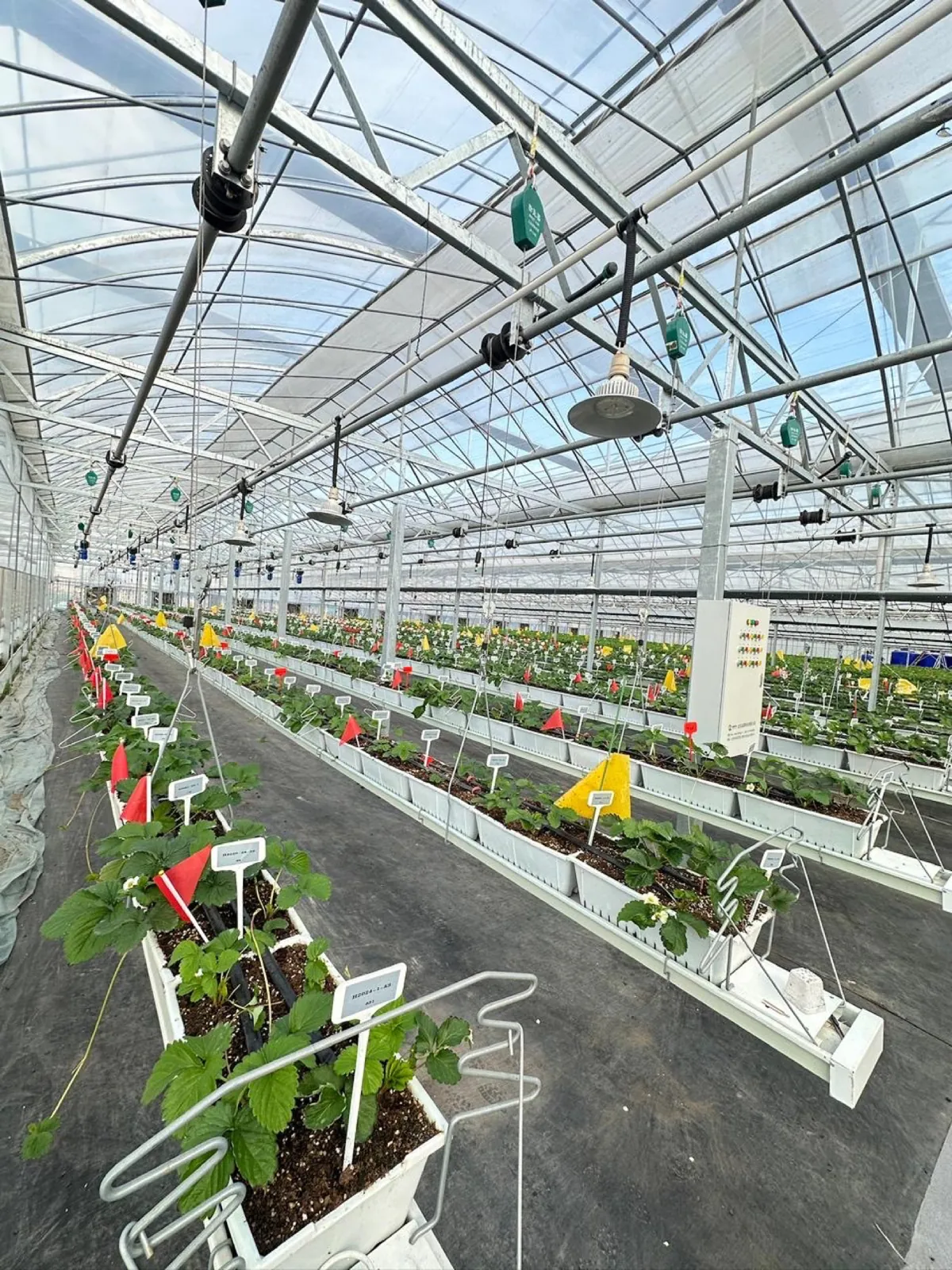
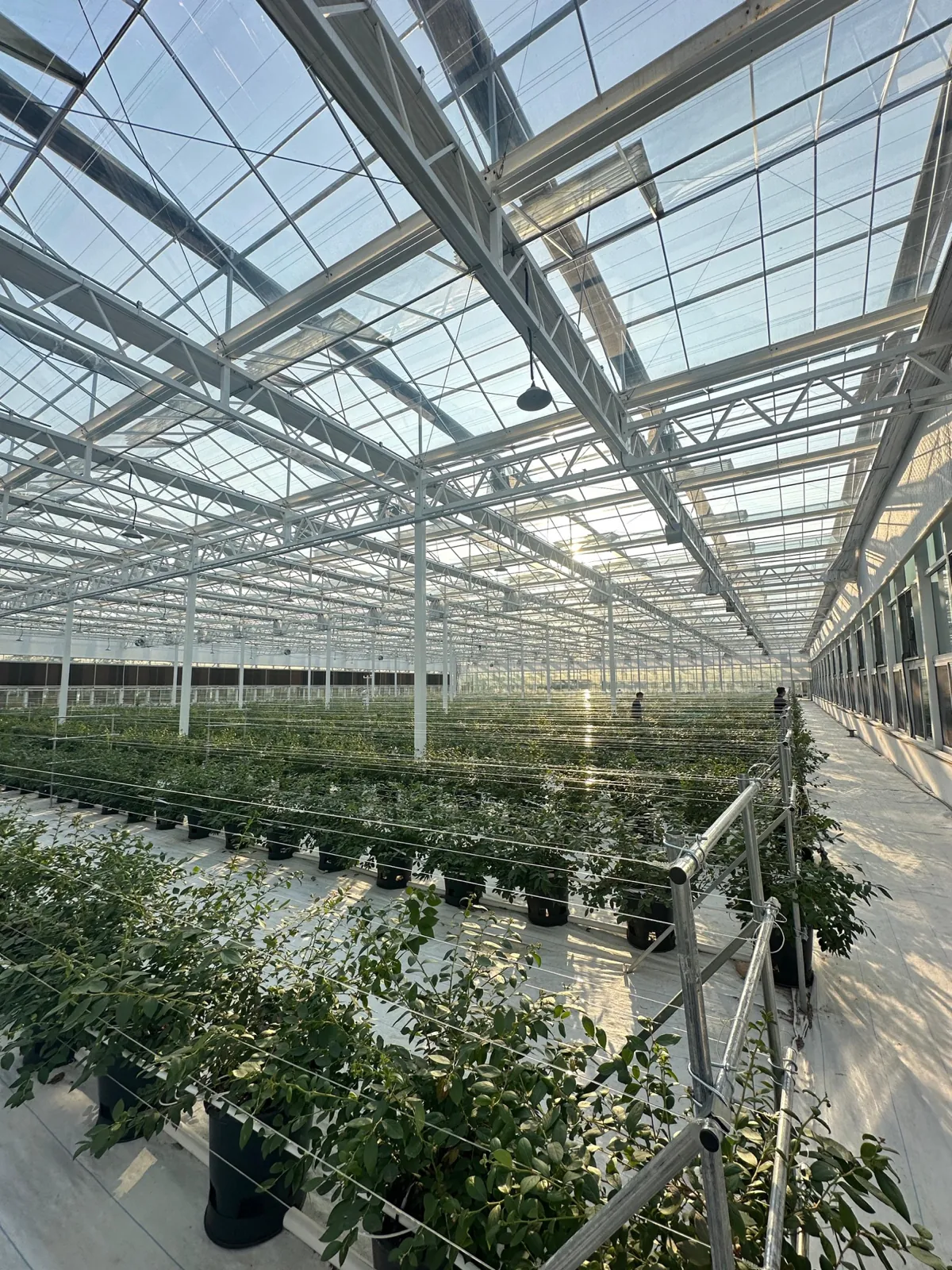
Cocopeat-grown crops under glass
What is Cocopeat
Cocopeat, also called coir pith, is the fine, spongy material recovered from the husk of the coconut. Once a waste stream, it's now one of the most sought-after soilless growing media in the world: lightweight, high water retention, and entirely renewable.
We work directly with processors across Indonesia's coconut belt to wash, buffer, and compress the pith into formats ready for greenhouse, nursery, and hydroponic operations. Each container ships traceably from source to dock.
Specifications
The figures below are our standard Cocopeat Block Low EC. Because we run the production line ourselves, most of them are adjustable: give us your target dimensions, EC, particle size, or moisture and we form the block to match. Every container still ships with a batch certificate.
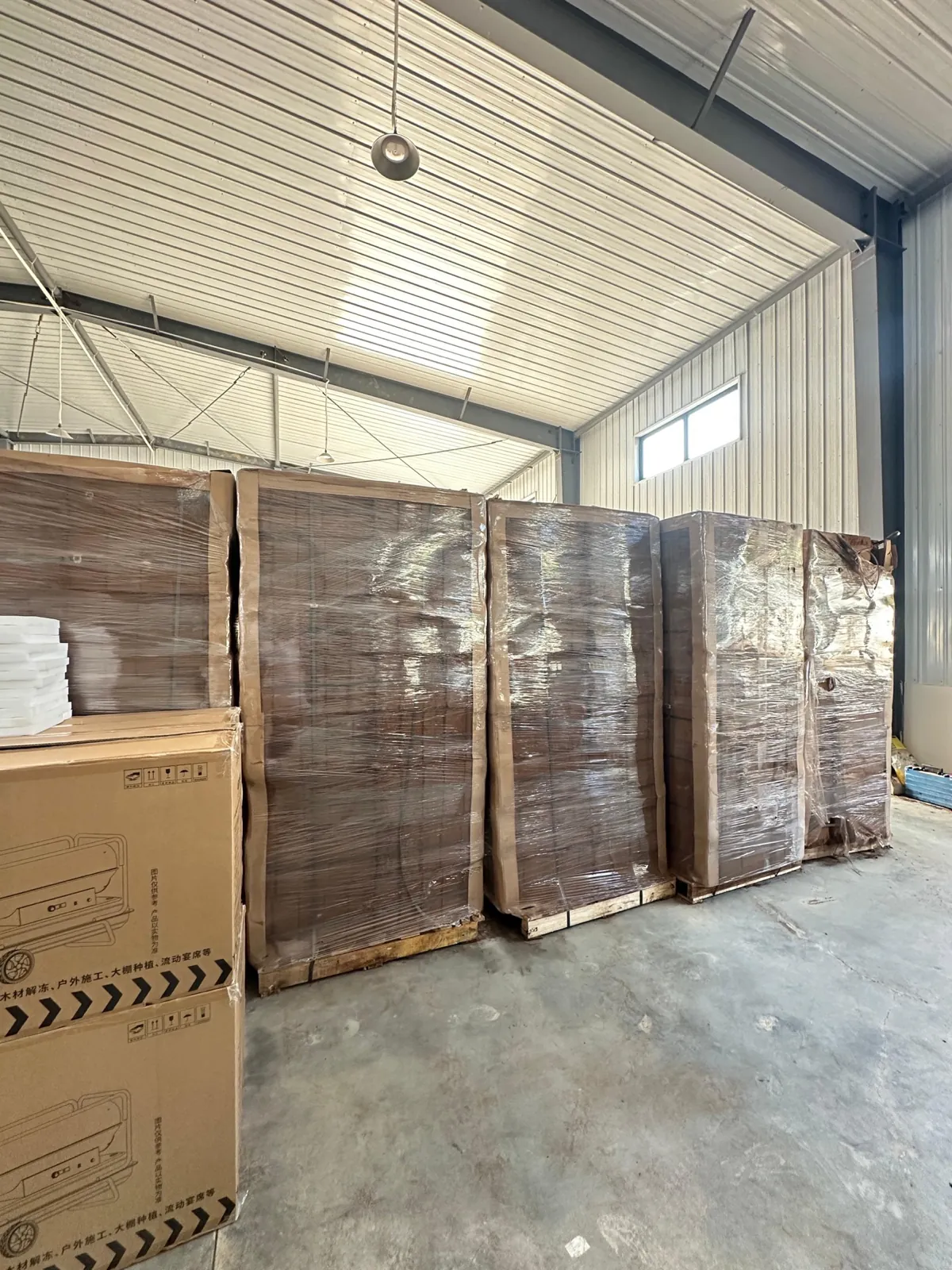
Compressed blocks, palletised for export
| Product | Cocopeat Block Low EC low EC, washed quality |
|---|---|
| Dimensions | 30 × 30 × 15 cm AdjustableStandard size; formed to your dimensions on request |
| Weight | 5 kg AdjustableAny target block weight, ±0.2 kg |
| Electrical Conductivity (EC) | < 0.8 mS/cm (1:2.5) AdjustableWashed to your target EC for export |
| Particle Size | 5 – 20 mm AdjustablePeat and chip blend, ratio to your requirement |
| Expansion Ratio | 15 L/kg AdjustableSet by compression to your target ratio |
| Moisture Content | Max 20% AdjustableSet to your target; lower is better for export |
These are starting points, not limits.
We control the line from husk to bale, so the block is formed to your operation: dimensions, EC, particle blend, and moisture, supplied as blocks, briquettes, grow bags, or bulk. Send us your target and we build to it.
From Husk to Export Block
Every container of AIS cocopeat runs the same automated line: shredded and screened, washed to low EC, pressed and dried, then baled into stackable export blocks.
Step 01
A 110 kW shredder tears the whole husk into two streams: long cocofiber and fine cocopeat. A vibrating screen then separates them.
Step 02
Spray-nozzle wash belts flush sodium and potassium salts out of the peat over two passes, bringing EC down to export grade.
Step 03
Belt presses squeeze out the free water, then a biomass-fired rotary drum dries the peat down to a steady 15% moisture.
Step 04
A 1000 kN block press compresses the dry peat into 5 kg blocks at around 200 an hour, stacked compact for low freight cost.
Applications
Cocopeat replaces or supplements peat moss across a wide range of growing environments. The most common uses we supply for:
Slab and bag systems for tomato, cucumber, pepper, and strawberry production.
Bulk substrate for year-round indoor production at commercial scale.
Seed-starting and propagation mixes for ornamentals, vegetables, and tree stock.
Substrate base for oyster and shiitake production, blended with supplements.
Briquettes and bagged peat for garden-center private label and DTC brands.
Sourcing & Sustainability
Our cocopeat is recovered from coconuts already harvested for copra, oil, and water. It's a byproduct stream that would otherwise be burned or left to decompose. Every block we ship is, in effect, a piece of the coconut economy that's been kept out of a fire.
We work with processors who run closed-loop wash water systems and source coconut husks from smallholder farms in Sumatra, Java, and Sulawesi. The result is a peat-moss alternative with a fraction of the carbon footprint, and a payment that flows back to coastal villages instead of into bog mining.
Expanding Sourcing Platform
Cocopeat is one of several Indonesian commodities we ship to growers and roasters across North America. In partnership with our subsidiary Astra Askara Adiluhung (AAA), we transform Indonesian raw materials into high-value, globally competitive products, creating sustainable benefits for local communities.
Traceable, direct trade Indonesian green coffee from Java Frinsa Estate and Pusat Kopi Nusantara in West Java. Sample and full-bag quantities.
View available lotsNatural coir fibre for industrial and specialty uses. Long fibre, high tensile strength from mature Indonesian coconuts.
Available upon requestPremium activated charcoal from coconut shells. High carbon content, suitable for filtration and specialty applications.
Available upon requestRequest a Sample
Reach out with your operation type, volume requirements, and target specs. We'll send a sample, a batch certificate, and a freight quote to your nearest port.